PROBLEM DISCOVERY
People want to know how to utilize their cycle information to positively impact their lifestyle.
While conducting early interviews and market research, I identified a gap in existing period tracking app offerings. Current apps focus on providing specific health insights about menstrual health–either physical health insights or mood and wellness monitoring–but do not offer a holistic approach that integrates personal cycle information with key lifestyle factors like nutrition, exercise, stress management, and social interactions. This gap underscores the need for a cycle-syncing app that actively integrates cycle data with personalized insights and actionable recommendations that enhance people’s daily routines.
How can we empower people with the knowledge and tools to integrate their cycle data into their lifestyle?
THE SOLUTION
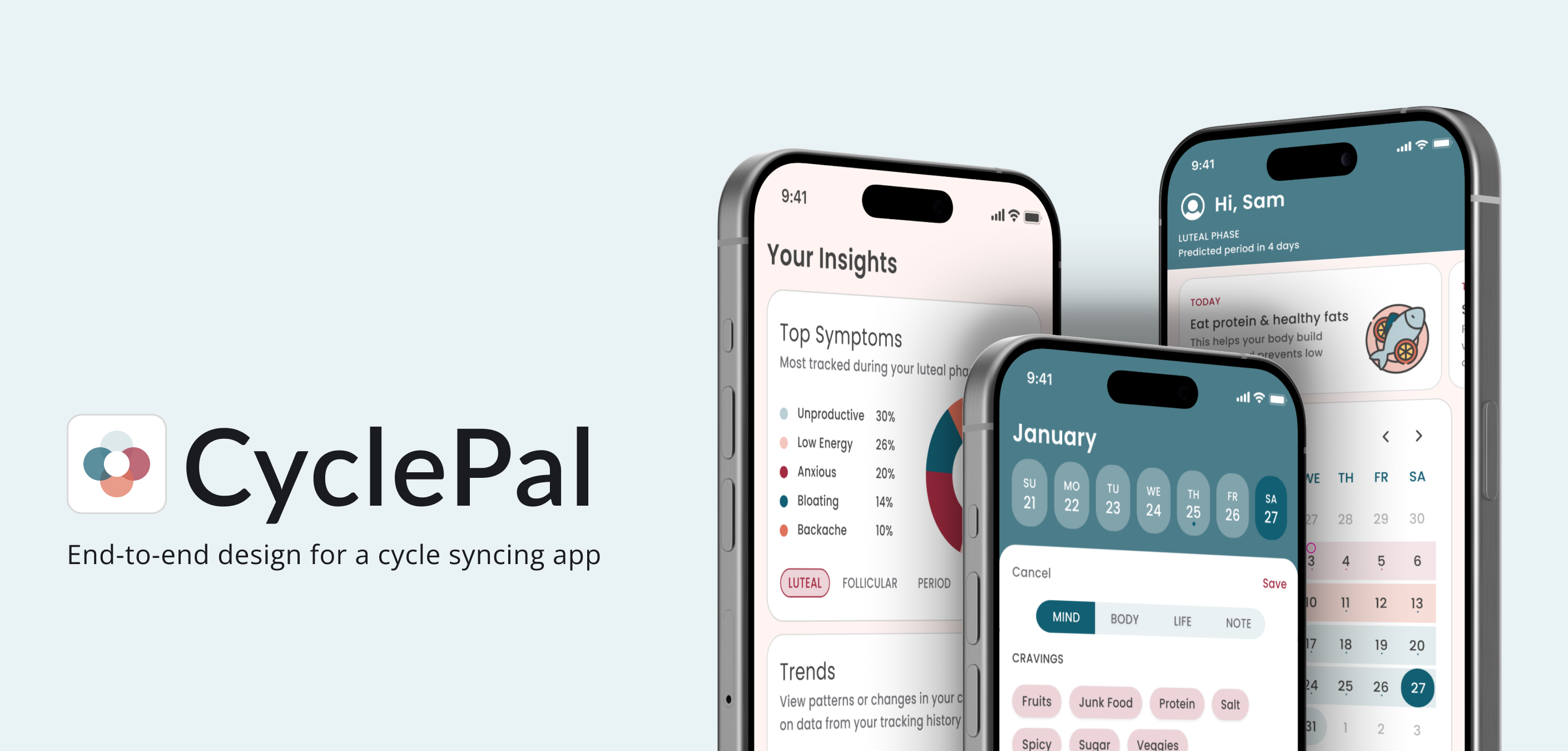
CyclePal
Tracking, insights, and resources all in one space.
An app that equips users with the tools and knowledge to confidently make informed lifestyle decisions customized to their unique cycle patterns helping them optimize their physical health and emotional well-being.
THE DESIGN PROCESS
RESEARCHING THE PROBLEM SPACE
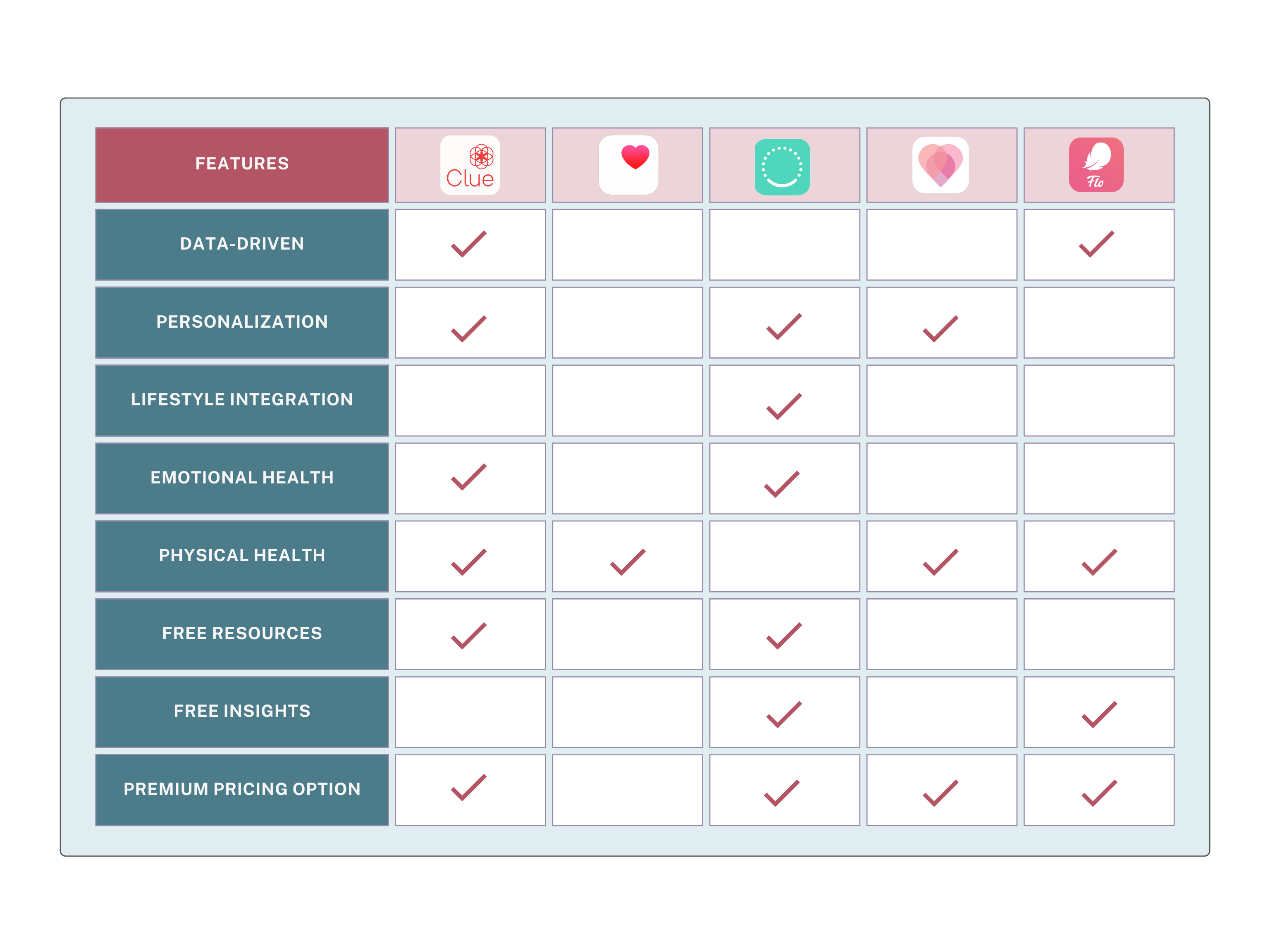
Competitive analysis found that existing period-tracking apps do not effectively help people integrate cycle data into their daily routines.
I explored popular period-tracking apps, comparing their strengths, weaknesses, opportunities and threats. I noticed that many apps focus on tracking physical health factors, and others emphasize mood and energy tracking, while some adopt a more holistic approach by incorporating both. However, I identified a common gap–many apps overlook guiding users on integrating cycle-related information into their routines.
This led me to hypothesize that there is an opportunity for an app that helps people make informed lifestyle decisions based on their unique cycle patterns.
With this variety of products available, how are people tracking their cycle and what factors do they look for in a tracking app?
VALIDATING ASSUMPTIONS
Findings from a 4-week diary study revealed limited awareness of the broader impact the menstrual cycle has on lifestyle factors beyond menstruation.
Research Goals:
- Observe individual behaviour over a longer time period to identify similarities and differences
- Deepen understanding of how individuals monitor and address cycle symptoms
The study consisted of two parts:
- Part A: 5 participants completed a survey twice per week to log their thoughts, experiences, and behaviours
- Part B: I conducted semi-structured 1-on-1 virtual interviews with participants at the end of the 4-week period to discuss their entries in further detail and clarify any points as needed
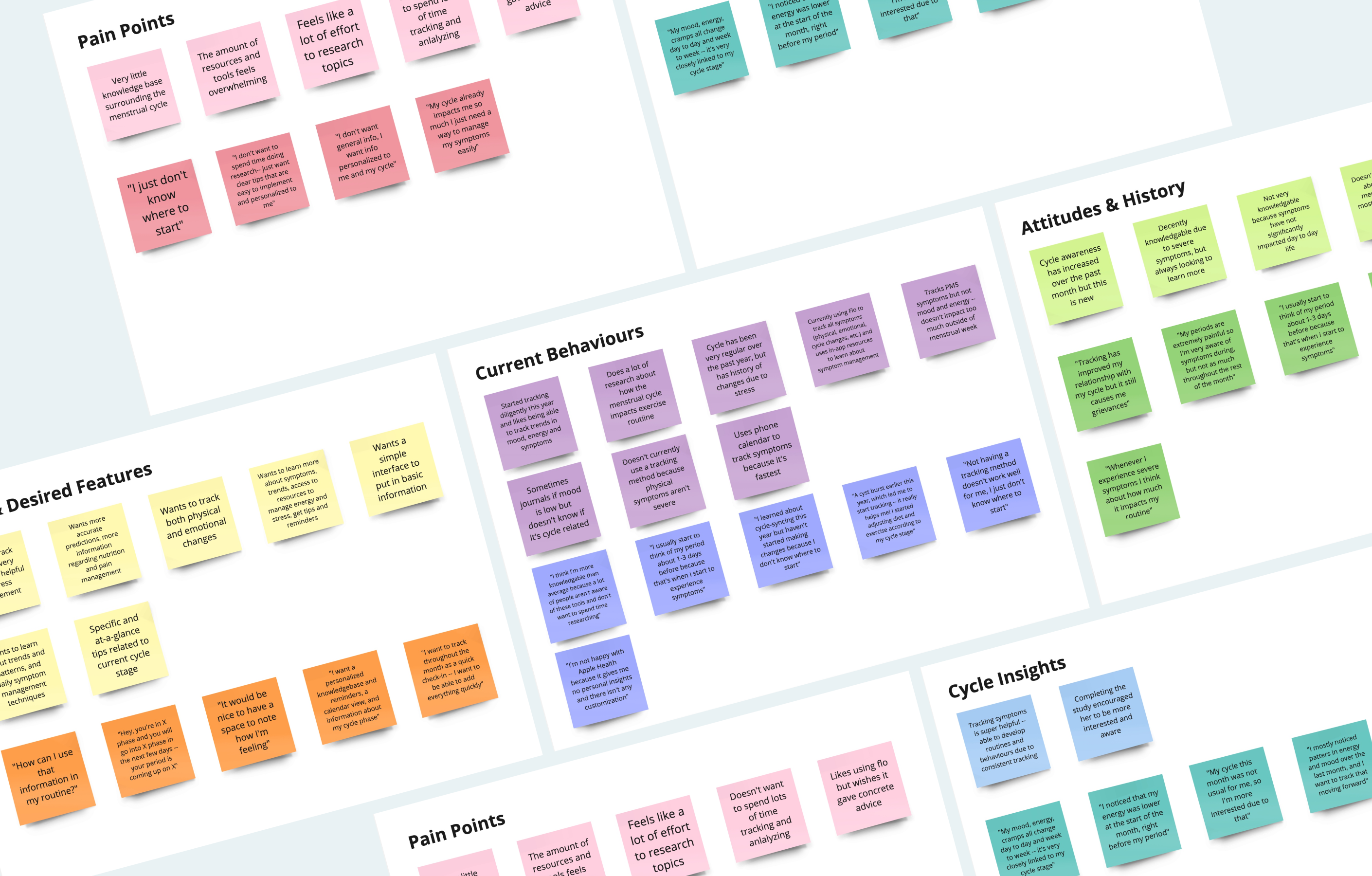
After sorting through the qualitative data from the study, I created an affinity map by grouping similar items together.
"I want to track how I feel throughout the month as a quick check-in."
"I want clear tips that are easy to implement and are personalized to my cycle."
"I don't want general information–I want something personal to me."
These findings validated our initial hypothesis, while also highlighting the importance of appealing to users with a varying knowledge base regarding their cycle.
TOP TAKEAWAY'S
- Participants showed varied knowledge levels about the menstrual cycle, ranging from limited to highly adept
- Relationships with their cycle varied, with some experiencing extreme symptoms
- Participants with limited cycle knowledge tended to track symptoms less diligently and felt overwhelmed by the amount of available information
- All participants desire a simple and efficient method for logging symptoms that can be easily integrated into their daily routines
- Desired features include accurate predictions, personalized trends, mood and energy tracking, and accessible resources
Please note that while these findings are not statistically significant, these insights will be used to inform this project's vision and prioritize design decisions that address persona needs.
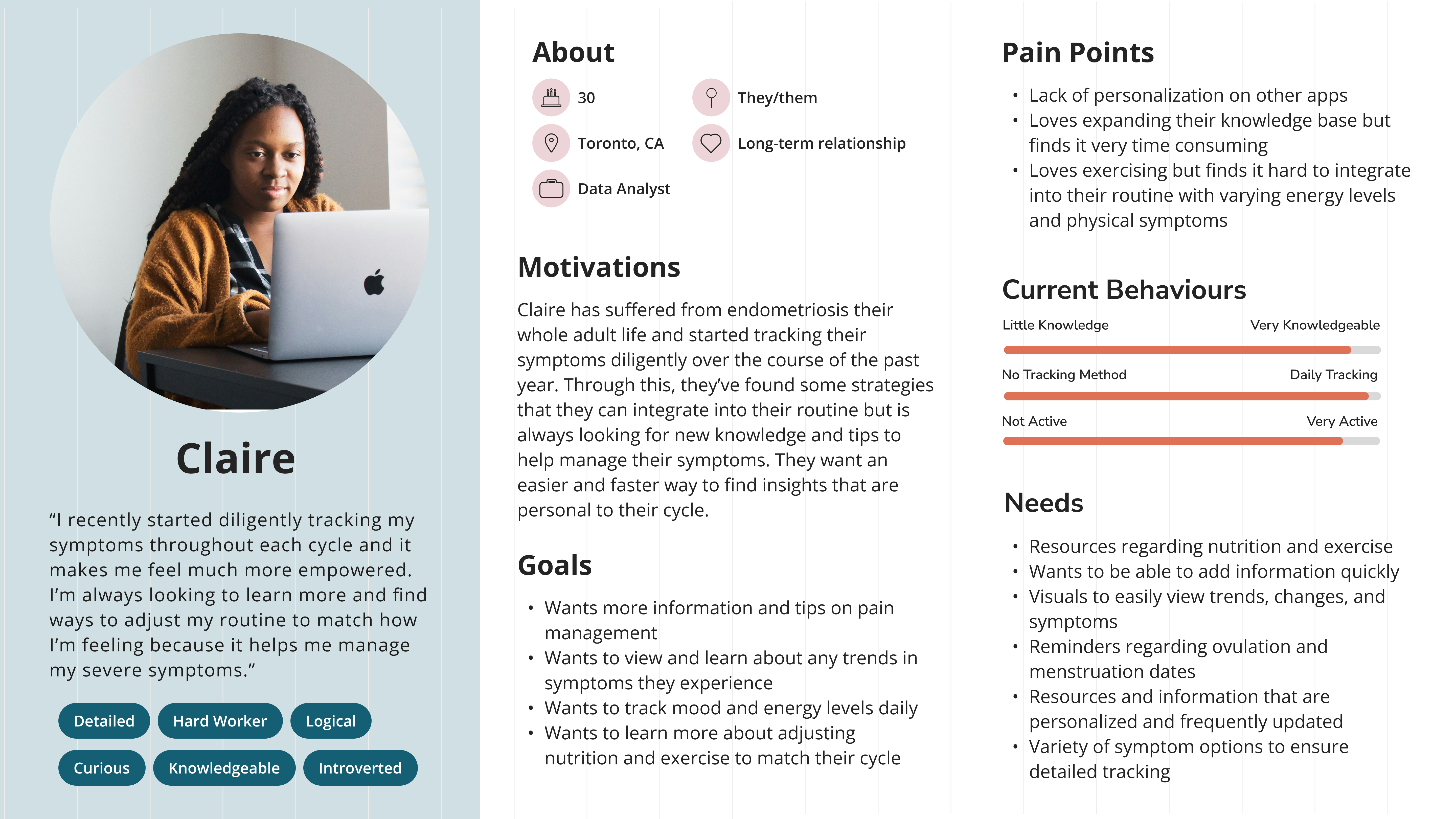
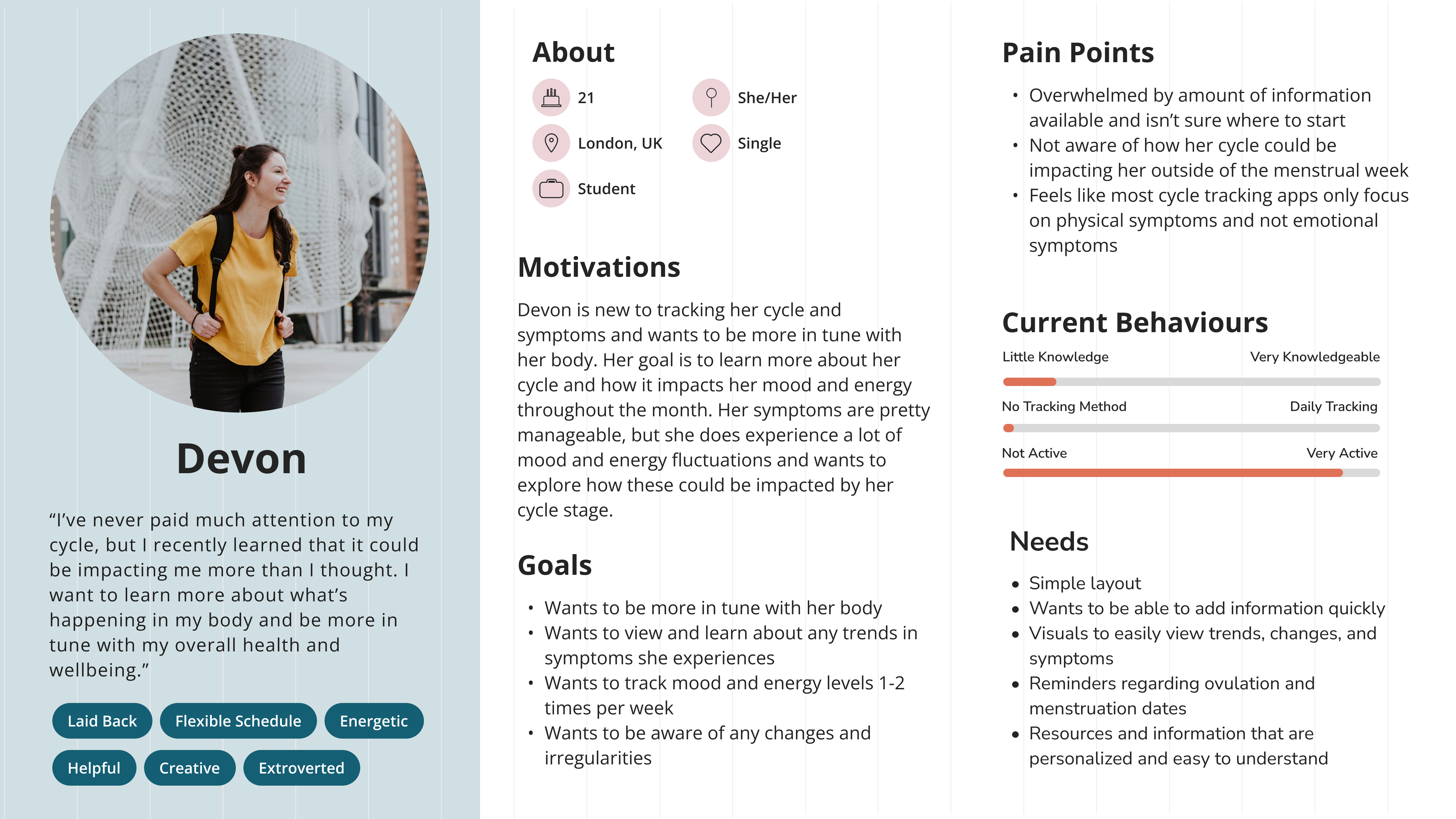
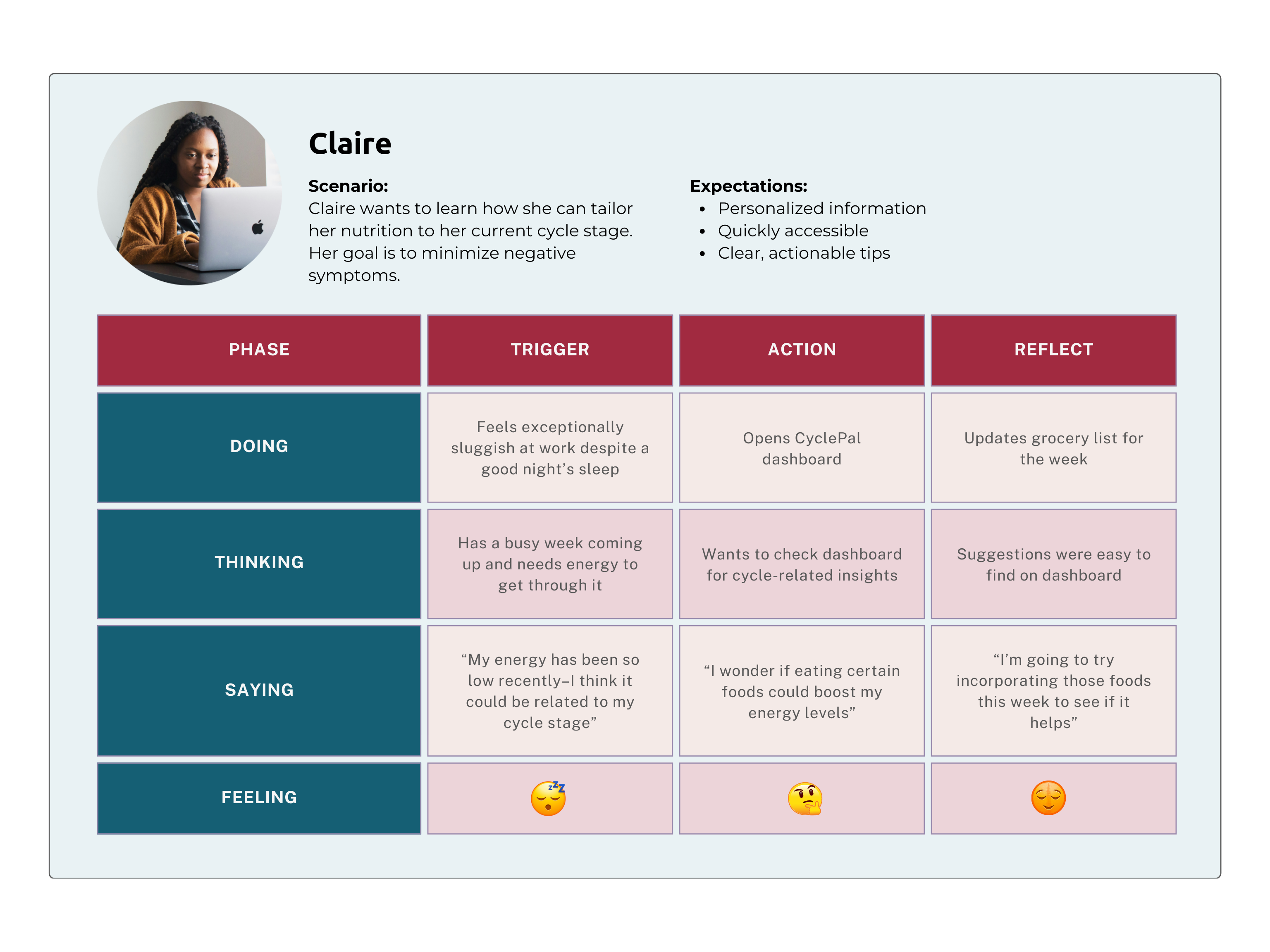
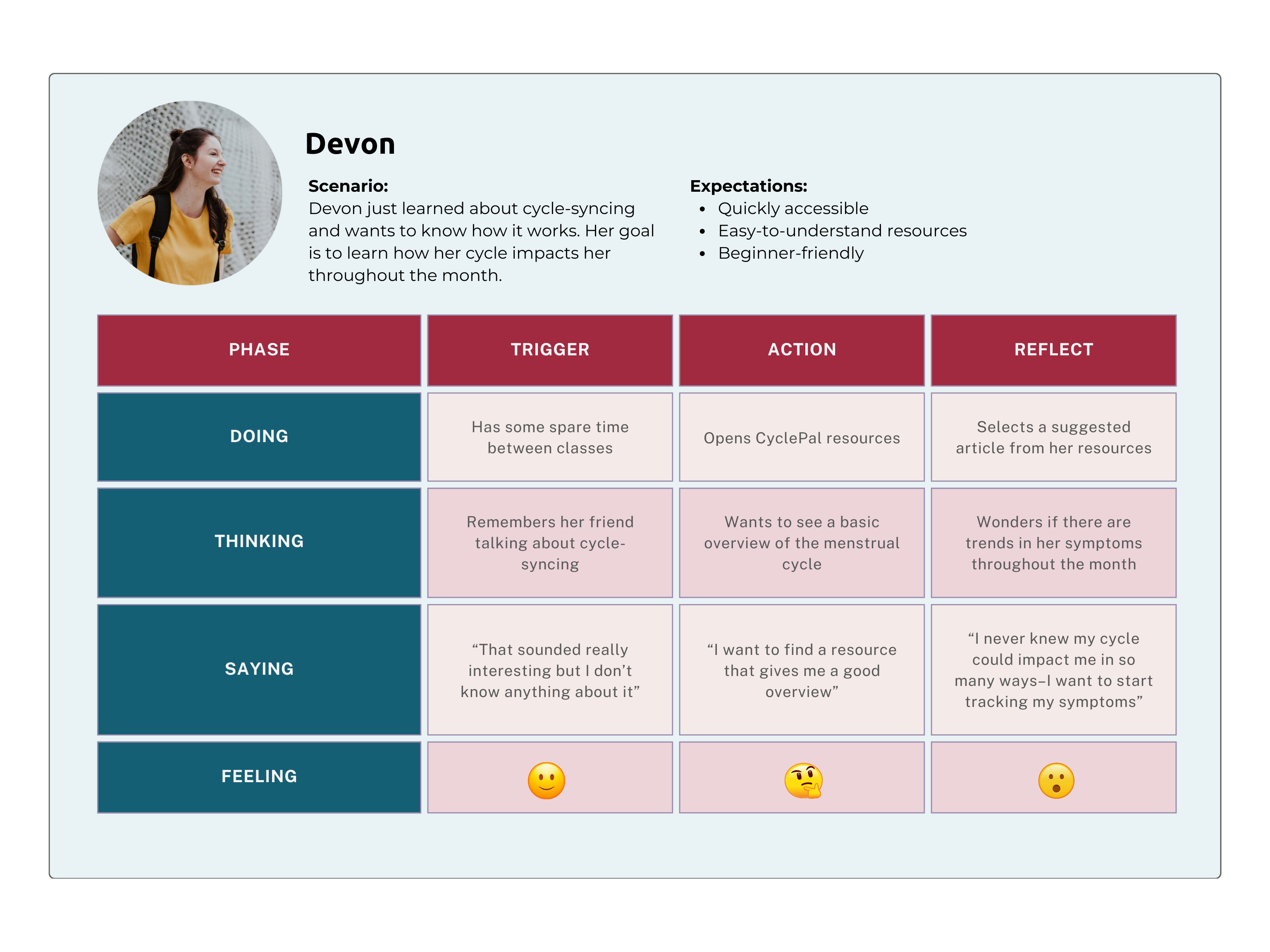
CREATING USER PERSONAS
Consolidating research findings into 2 distinct user personas helped focus efforts, build empathy, and highlight key design features.
JOURNEY MAPPING
Placing the personas into the context of the product helped me visualize how I can create an empathetic and effective user experience.
The primary objective of this stage was to create a high-level visualization of our users’ priorities based on their needs, motivations, and pain points. This ensured the final design solution fully satisfied users’ needs and expectations, creating a delightful experience.
APPLYING INSIGHTS TO THE DESIGN
How do these insights translate into key features?
Market research, insights from user interviews, and journey mapping highlighted the need for an intuitive app that empowers users to log entries, view personalized insights, and access resources to enhance their understanding of their physical and emotional health in the context of their cycle.
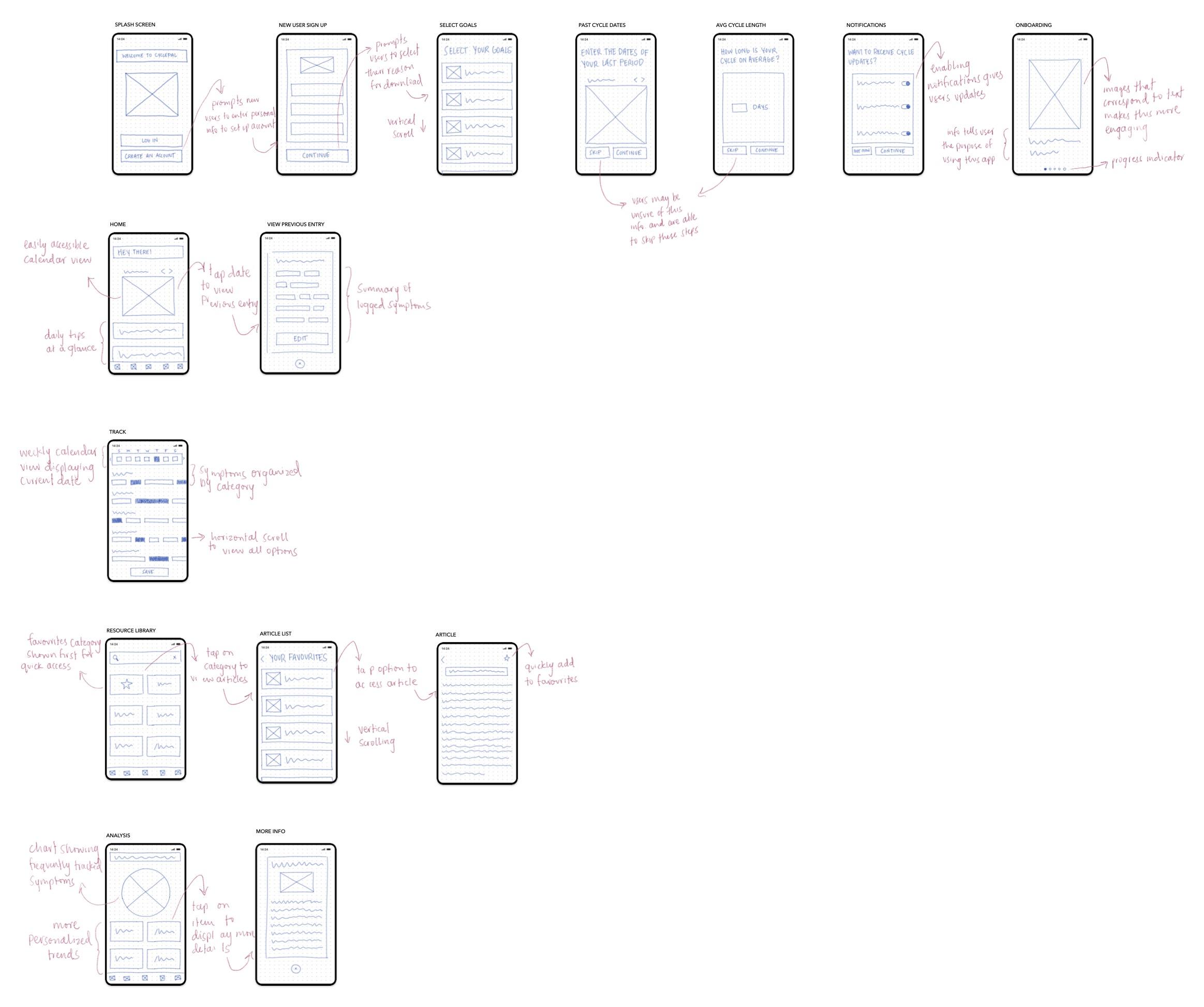
EARLY DESIGNS
Low-fidelity wireframes helped me visualize the user flows and outline the core functionality of this app.
USABILITY TESTING
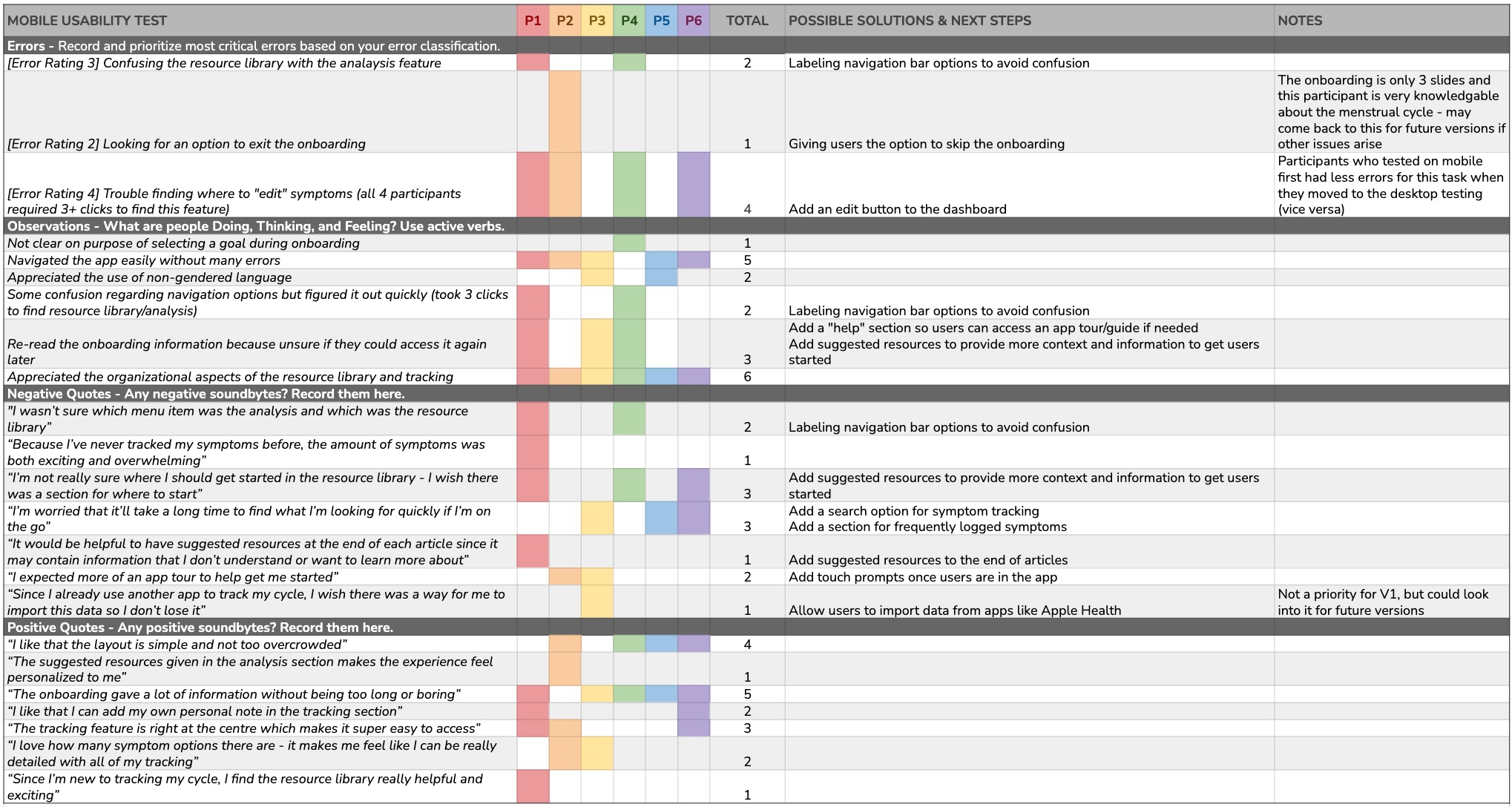
Moderated remote usability tests with 6 participants revealed areas needing improvements to align design with user needs creating a satisfying experience.
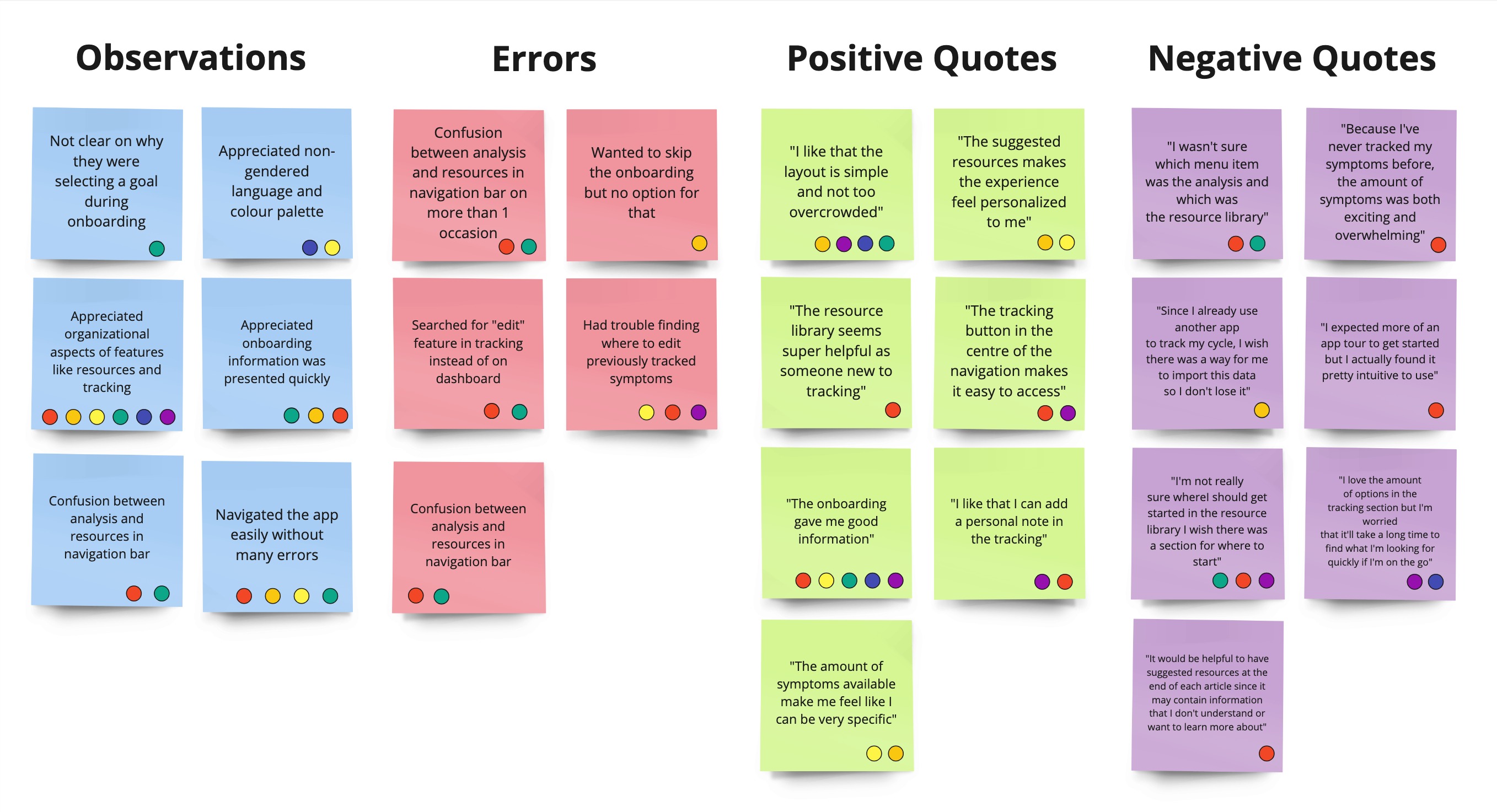
Participants were tasked with completing various tasks and explaining their thought processes while navigating key features. Afterwards, I reviewed the session recordings, documenting errors, participant observations, and both positive and negative quotes.
After organizing the insights gained from usability tests, I incorporated the feedback into the design by addressing any critical errors that impacted usability.
ONBOARDING
ORIGINAL FLOW
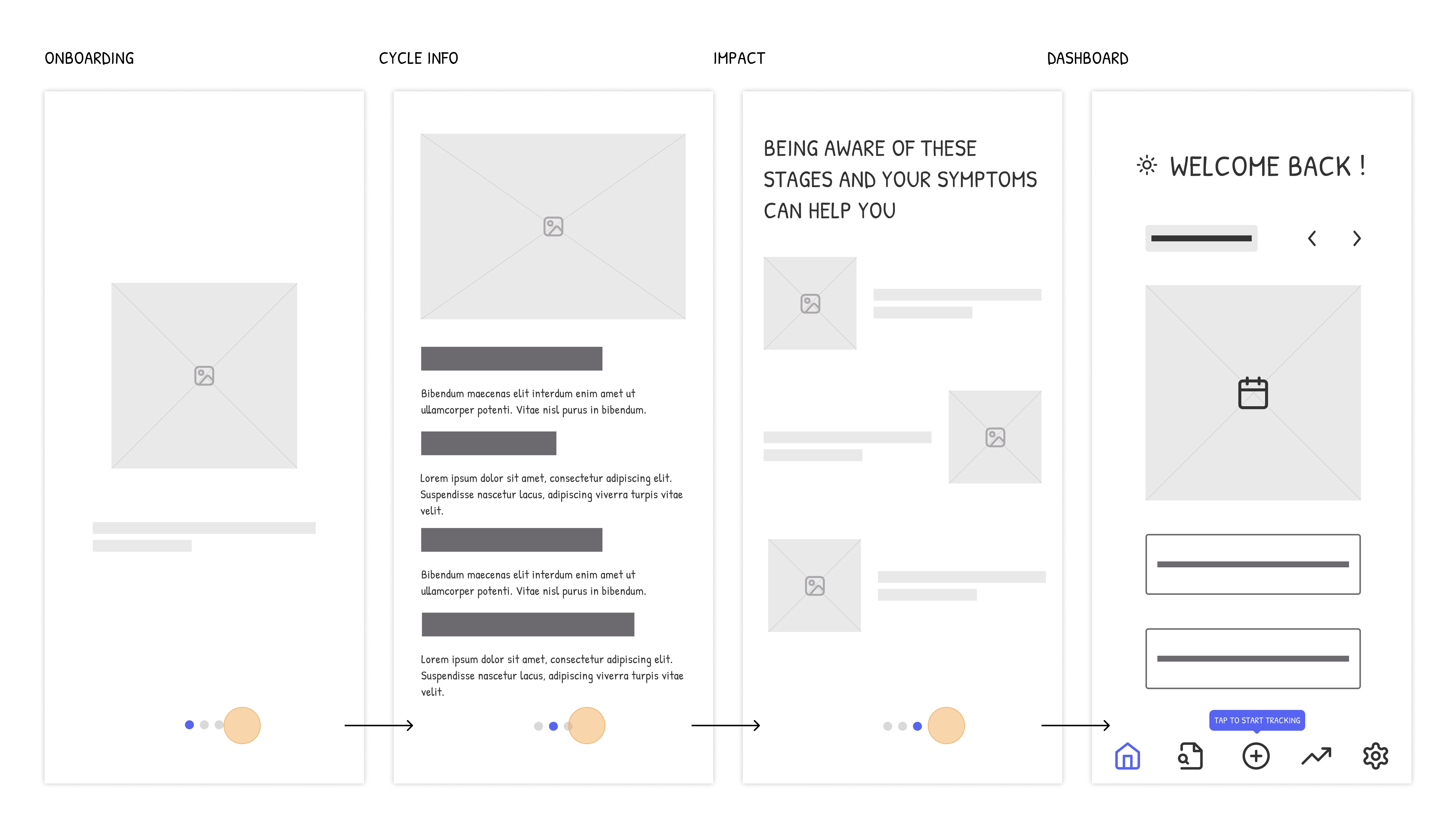
- Moved onboarding to before sign-up process and reduced it from 5 slides to 3 for a more streamlined introduction
- Added labels to navigation bar for more clarity
- Eliminated touch prompts to facilitate exploration of the app
TRACKING
ORIGINAL FLOW
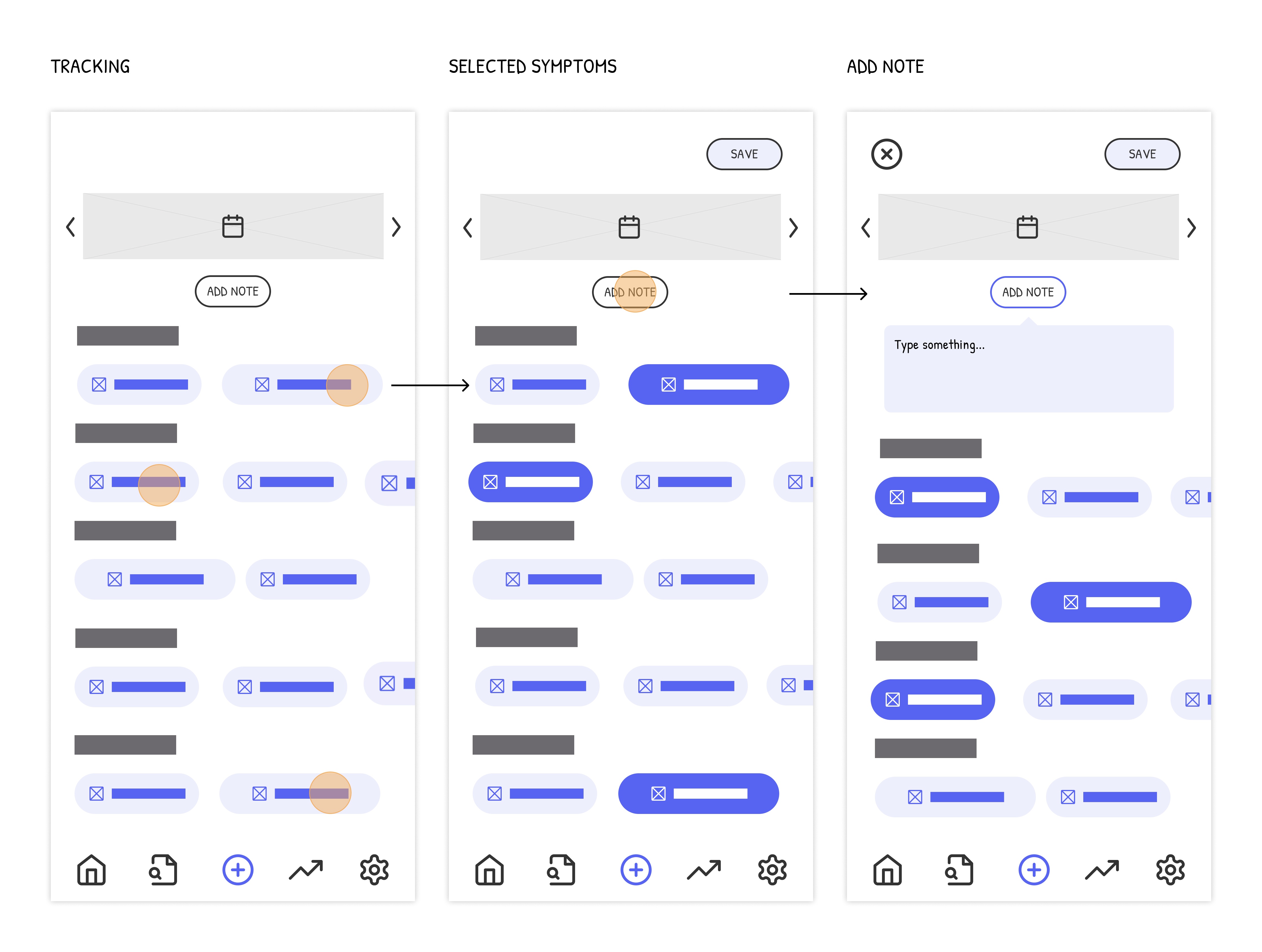
- Organized symptoms into 4 categories for quicker and more organized tracking experience
TRENDS
ORIGINAL FLOW
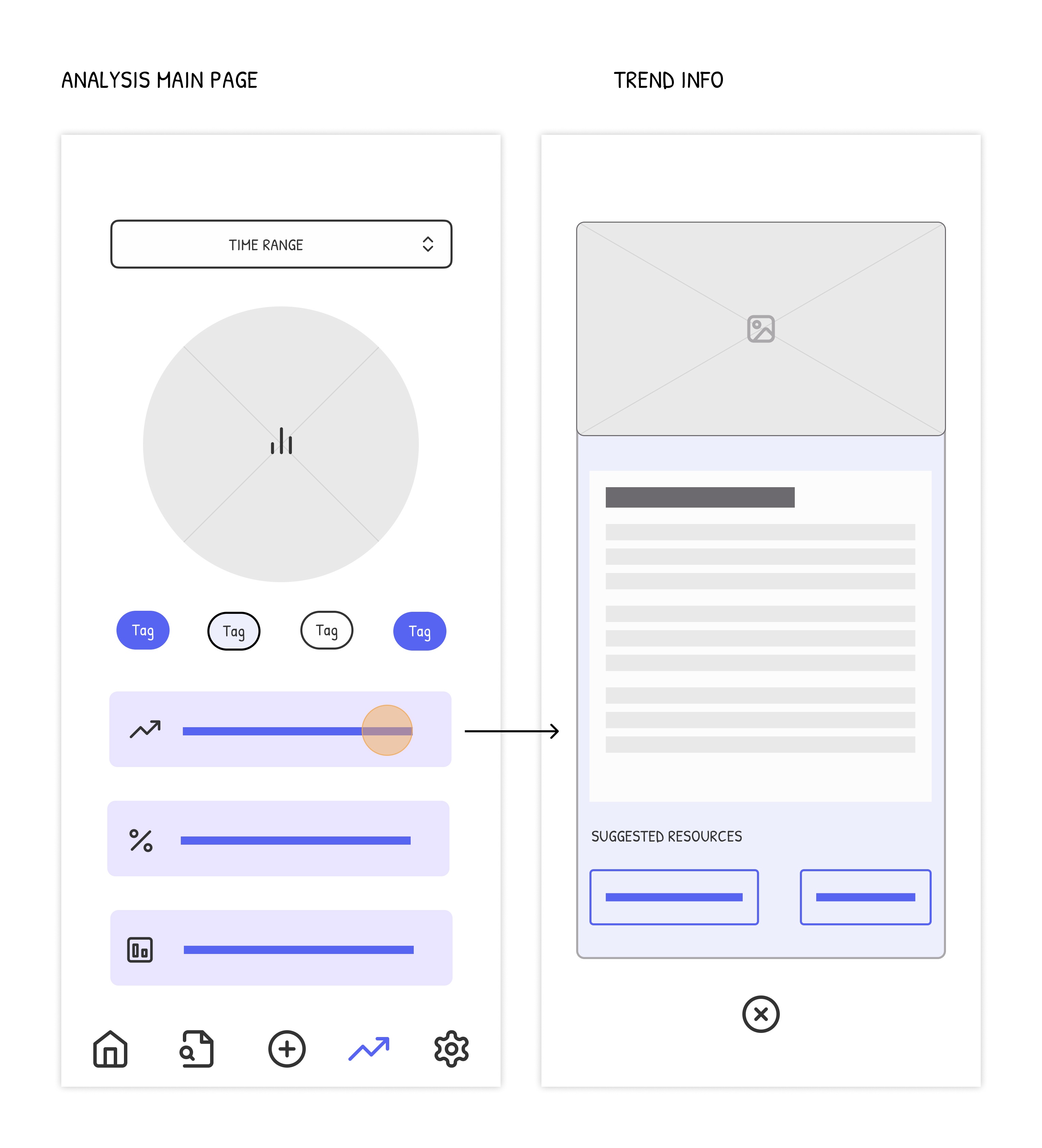
- Added additional chart for cycle length for more visual intrigue
- Changed trend information to dropdown instead of pop-up for quicker entry and exit point
LEARN
ORIGINAL FLOW
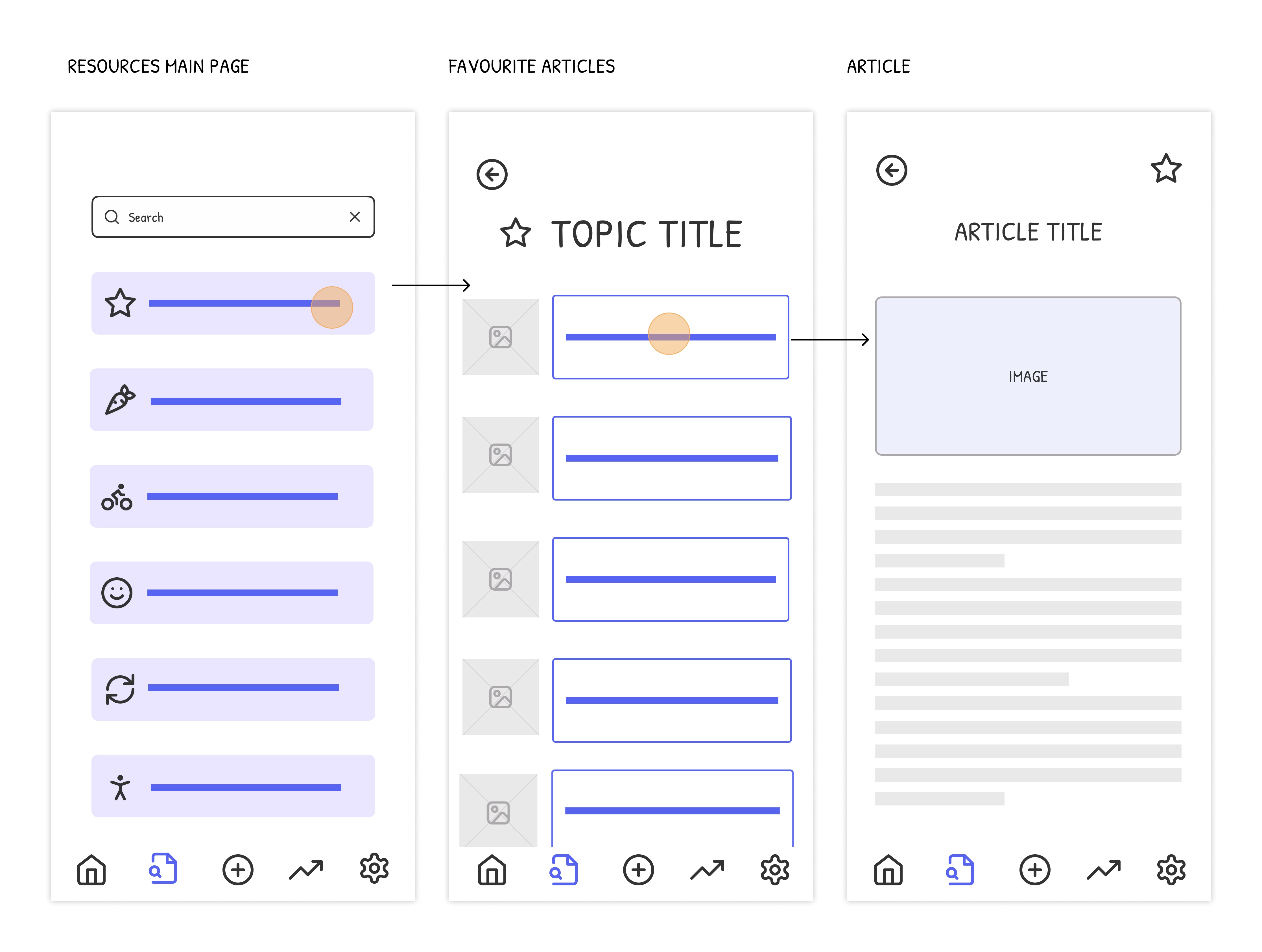
- Added brief article summary to articles for a quick overview of the content
- Added favourite articles to resources main page for easier access
- Moved suggested articles from analysis to resources main page for more personalization and more intuitive navigation
CREATING A DESIGN SYSTEM
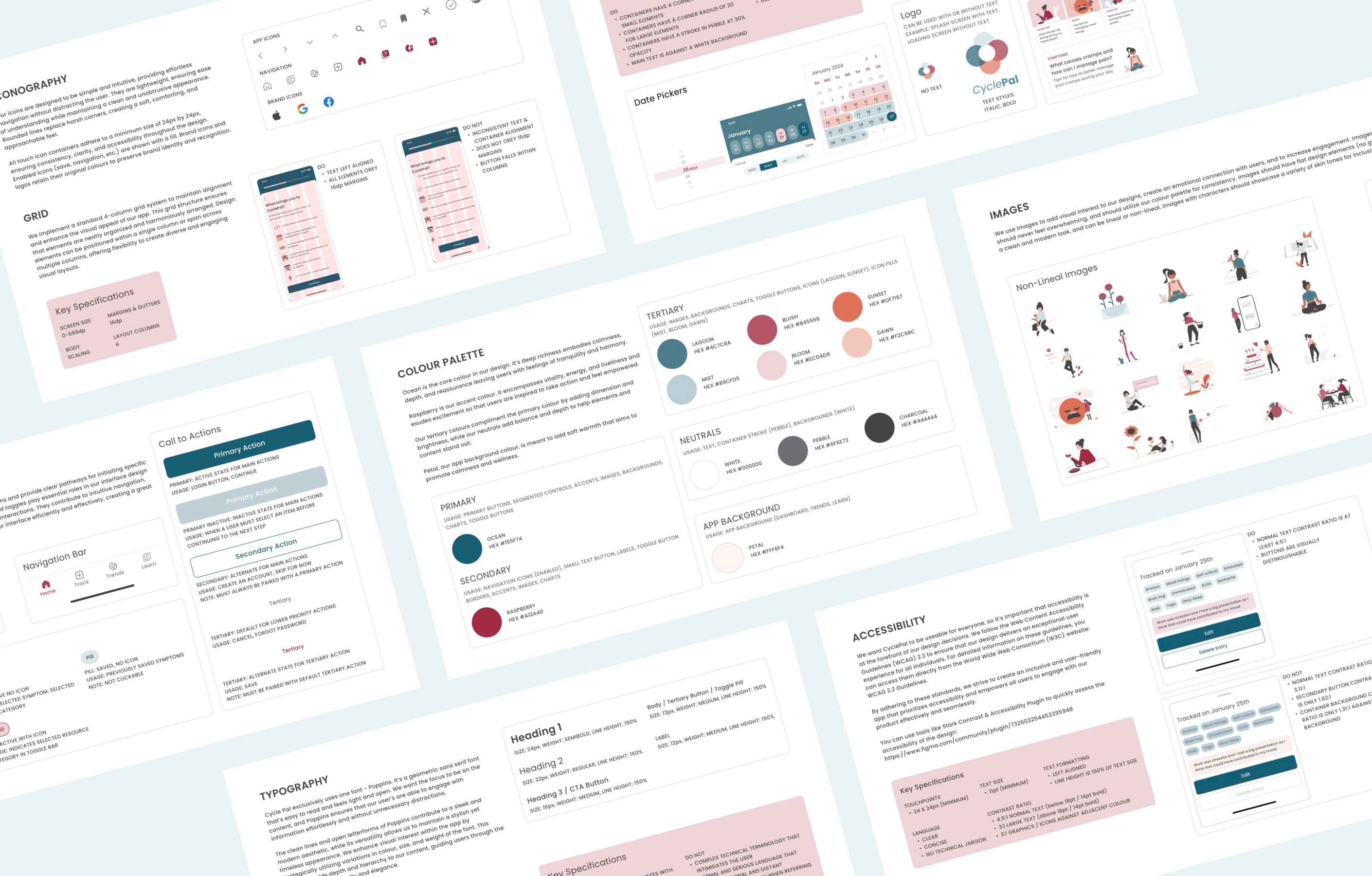
Once I had a solid understanding of the usability and had outlined the layout of the app, I created a design system to maintain consistency across UI elements.
During the design process, I continuously referenced the Web Content Accessibility Guidelines (WCAG) 2.2 to ensure that my designs were inclusive and met at least WCAG AA standards. Additionally, I regularly consulted with peers to get feedback on usability and visual design elements.
THE FINAL DESIGN
A mobile app designed to help people track and manage physical and emotional health factors within a single platform.
By offering personalized insights, educational resources, and actionable recommendations, CyclePal supports people in seamlessly integrating valuable cycle information into their daily routines.
Prototype →PROJECT LEARNINGS
Focus on maintaining a growth mindset instead of getting weighed down by small details.
One key lesson I learned from this project is the value of stepping away from my design and seeking input from peers, friends, and potential users. Embracing design as a collaborative process not only helps you identify factors you may have missed, but also makes it appeal to a wider audience. Collaboration brings fresh insights, puts things into perspective, and leaves you with a stronger design solution.
WHAT'S NEXT?
Future plans include conducting more user research and engaging in user testing to identify additional opportunities for enhancing user experience. Future app improvements involve expanding the trends section to offer even more personalized insights.